Poppy Flower Tumbler: A Designer's Take on Floral Detail
When I first pulled up the Poppy Flower Tumbler file on my screen, my immediate reaction wasn't just about the subject matter—it was about the potential application. As someone who spends hours tweaking digitizing settings and testing threads on various fabrics, I look for designs that offer more than just a pretty picture. I look for versatility. While the product description highlights its use as an engraving laser tumbler wrap within the Crafts and Graphics categories, my mind immediately went to how this floral motif would translate into a tangible machine embroidery design for custom apparel and home goods.
First Impressions: Mood and Visual Personality
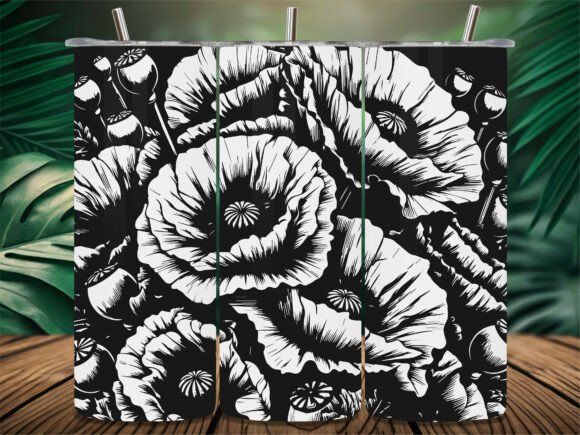
The visual personality of the Poppy Flower Tumbler is bold yet elegant. Poppies are inherently striking; they carry a sense of warmth and vitality that few other florals can match. In a digital format, the lines appear clean, suggesting a layout that balances negative space with detailed focal points. For an embroidery project, this is crucial. A design that is too dense can become a stiff puckered mess, while one that is too sparse might lack impact. The shape and theme here feel organic, which suggests it would work beautifully as a satin stitch feature or a nuanced fill stitch application depending on how you choose to interpret the digital data for your machine.
The mood created is one of artisanal charm. It feels like something you'd find in a high-end boutique rather than a mass-produced factory line. This is exactly the kind of aesthetic that elevates a handmade product from a simple craft to a sellable asset. Whether you are an Etsy seller looking to expand your spring collection or a hobbyist making gifts for family, the inherent quality of the graphic suggests a professional finish.
Real-World Application: From Screen to Stitch
Let's talk about a real scenario. Imagine you are preparing a custom order for a local coffee shop owner who wants branded aprons and tote bags. They want something floral but not overly feminine—something with character. The Poppy Flower Tumbler fits this brief perfectly. Envision this design stitched onto a heavy canvas tote bag design. The bold reds and greens of a poppy would pop against natural beige or deep navy fabric.
Alternatively, consider sweatshirt embroidery. A oversized hoodie with a large-scale version of this floral on the back or a smaller iteration on the chest pocket creates an instant statement piece. Because poppies have distinct petals and centers, they translate well into applique design workflows if you want to add texture with different fabric types, or they can stand alone as a standard embroidery file using varied thread weights. For baby embroidery, scaling this down for a onesie or a nursery pillow cover could create a soft, whimsical look, provided the stitch density is adjusted to remain gentle against sensitive skin.
For those running a craft business, the versatility extends to holiday items. A kitchen towel with a single poppy stem near the hem makes for a thoughtful personalized gift during Mother's Day or housewarming seasons. The key here is recognizing that while the source file is marketed for laser engraving, the graphic strength of the Poppy Flower Tumbler lies in its clear definition, which is a prerequisite for any successful digital embroidery file.
Navigating Technical Challenges
However, enthusiasm must be tempered with technical realism. Not every surface is ready for every design. If you are adapting this graphic for embroidery, you need to be cautious about where you place it. Stitch density is the first thing I check. If the original graphic has very fine lines, translating those directly into running stitches on a textured fabric like a waffle weave towel could result in broken threads or lost detail.
Curved surfaces present another hurdle. While the original concept is a tumbler wrap, applying a similar floral motif to a structured cap requires careful hooping and potentially splitting the design to accommodate the curve without distortion. Tiny lettering often accompanies floral designs; if this asset includes text elements, ensure they are large enough to be legible once stitched, especially on embroidered patch projects where space is limited.
Fabric choice matters immensely. On stretchy fabrics like jersey knits, a dense floral design can cause puckering if the correct stabilizer isn't used. I always recommend testing on scrap fabric first. Try the design on both light and dark backgrounds. A red poppy might look vibrant on white, but does it hold up on black? You may need to adjust thread colors or add a underlay stitch to prevent the base fabric from showing through the fill areas. Also, consider the washability. Products like aprons and tea towels undergo frequent laundering; ensure your stitch path and tie-offs are secure so the finished product lasts.
Enhancing Brand Value and Customer Trust
Ultimately, the choice of design assets directly impacts your brand consistency. Using a high-quality, well-thought-out motif like the Poppy Flower Tumbler signals to your customers that you care about details. It enhances the perceived value of your small shop product. When a customer receives a custom item with crisp, clear stitching and a beautiful composition, it builds trust. They are more likely to return or recommend your services.
In the world of commercial embroidery, presentation is everything. Even if you are selling printable mockup files to other designers, the source graphic needs to be versatile. The clean lines of this poppy design allow for easy manipulation in software, letting you create varied previews for your listings. It helps buyers visualize the end result, whether it's a wedding gift, a boutique branding element, or a piece of holiday decor.
Practical Notes for the Professional Maker
Before you commit this design to a client's garment, keep these practical steps in mind:
- Test First: Always stitch out a sample on the actual fabric you intend to use. What looks good on screen can behave differently on cotton versus polyester.
- Check Contrast: Review your thread chart. Ensure there is enough contrast between the flower petals, the center, and the leaves to maintain definition.
- Verify Hoop Size: Confirm that the design fits within your available hoop size without needing excessive re-hooping, which can lead to alignment issues.
- Inspect Details: Zoom in on the smallest corners of the design. Are there tiny isolated stitches that might snag? Simplify if necessary.
- Licensing Check: Since this is originally a laser file, double-check the licensing terms if you plan to convert it for embroidery sales. Ensure you have the rights to modify and sell the resulting embroidery project or finished goods.
- Stabilizer Selection: Match your stabilizer to the fabric weight. Heavy designs need firm support; delicate fabrics need soft, tear-away options.
The Poppy Flower Tumbler offers a fantastic foundation for creative expansion. By approaching it with a designer's eye and a technician's precision, you can transform a digital graphic into a stunning physical reality that resonates with customers and stands the test of time.