Rustic Buck Flowers Deer Tumbler: A Designer's Review
As a designer who spends more time staring at stitch maps than most people care to admit, I approach every new digital embroidery file with a healthy dose of skepticism. We have all downloaded a "perfect" design only to find it turns into a bird's nest on the machine or looks muddy once stitched out. So, when I first pulled up the Rustic Buck Flowers Deer Tumbler, I wasn't looking for marketing fluff; I was looking for clean paths, logical color changes, and a layout that respects the limitations of thread and fabric.
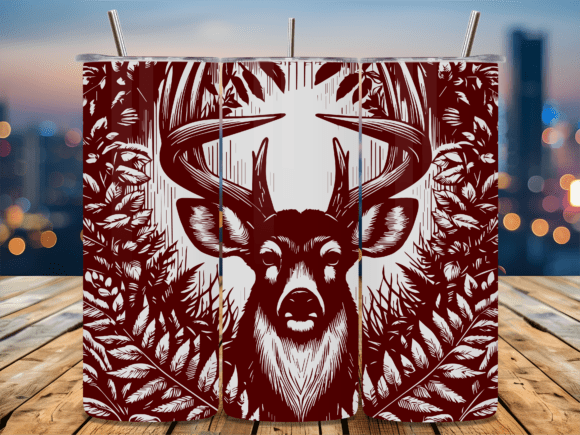
The first impression of this design is its mood. It captures that specific, cozy aesthetic that dominates the current market—think cabin chic, woodland weddings, and autumnal home decor. The combination of a buck silhouette with floral elements creates a visual personality that feels both rugged and delicate. For an Etsy seller or a boutique owner, this duality is gold. It appeals to customers who want something masculine enough for a dad but soft enough for a nursery. However, seeing the graphic on a screen is one thing; translating it into a physical handmade product requires a deeper look at how those lines will actually behave under the needle.
Visualizing the Stitch-Out in Real Projects
I immediately started imagining where this design would live. While the product title suggests a tumbler wrap, as an embroidery specialist, my brain jumps to textiles. Picture a heavy-weight canvas tote bag design for a local farmer's market vendor. The rustic theme fits perfectly there. Or consider a sweatshirt embroidery project for a fall festival. The floral details around the deer would pop beautifully against a heather grey or forest green fleece.
In a real-life scenario, I recently prepped a custom order for a client wanting personalized gifts for a bridal party. They wanted something unique for the flower girls' dresses. I considered using a scaled-down version of this motif. The key here is the flow of the flowers. If the stitch density is too high in those petal areas, the fabric could pucker, especially on thinner materials like cotton lawn used for baby embroidery. Conversely, if the density is too light, the coverage might look sparse on dark fabrics. A good designer knows to test these variables before committing to the final garment.
This design also holds immense potential for embroidered patch creation. The defined outline of the buck suggests it could handle a satin stitch border well, creating a crisp edge that stands up to wear and tear. For a small shop product line, offering iron-on patches featuring this design could be a low-overhead way to expand inventory without needing to embroider every single item individually.
Technical Considerations for the Working Designer
Let's talk about the technical nitty-gritty, because this is where projects succeed or fail. When evaluating the Rustic Buck Flowers Deer Tumbler, you must pay close attention to the small details. Floral designs often rely on tiny running stitch outlines or fine fill stitch areas to create depth. On a textured fabric like a waffle-knit towel or a rough linen pillow cover, these fine details can get lost. The texture of the base material fights against the thread, potentially breaking up the visual continuity of the flowers.
If you are planning to use this on a cap, remember that curved surfaces distort designs. The center of the deer might sit fine, but the outer petals could stretch awkwardly over the front panel curve. In this case, you might need to adjust the pull compensation or choose a stiffer stabilizer to maintain the shape. Speaking of stabilizer, do not skimp here. For a design with this level of detail, a cut-away stabilizer is often safer than tear-away, especially if the finished product is intended for frequent washing, like a kitchen towel or a child's shirt.
Color selection is another critical factor. The preview might show soft pastels, but your thread chart matters. High-contrast thread colors can make the design pop, but they can also make stitching errors obvious. I recommend running a black-and-white mockup first. This strips away the distraction of color and lets you see if the stitch density provides enough definition. If the deer blends into the flowers in grayscale, you may need to adjust the thread weights or switch from a fill stitch to a satin stitch for certain elements to create separation.
Commercial Viability and Brand Consistency
For those running a craft business, consistency is everything. Your customers trust you to deliver a professional look every time. Using a design like Rustic Buck Flowers Deer Tumbler can enhance your brand's recognition if it aligns with your aesthetic. It signals a love for nature and handmade quality. However, you must ensure the embroidery project scales well. Can you shrink it for a pocket logo on a chef's apron without losing the flower details? Can you enlarge it for a blanket throw without the stitches becoming too open and lacy?
Before listing this as a commercial embroidery asset or selling finished goods, you need to verify the licensing terms. Just because a file is available for purchase doesn't automatically grant unlimited commercial rights. Check the specific agreement regarding the number of physical items you can sell. Additionally, since the original description mentions laser wrap designs, ensure you are adapting the vector paths correctly for embroidery software. What works for a laser engraver (continuous lines) might need to be broken into jump stitches or trims for an embroidery machine.
Final Thoughts on Execution
Ultimately, the value of the Rustic Buck Flowers Deer Tumbler lies in its versatility and the emotional connection it fosters. It is not just a graphic; it is a storytelling element for your custom apparel or home decor lines. Whether you are creating holiday embroidery for Christmas stockings or a personalized gift for a hunting enthusiast, the success of the piece depends on your preparation.
My advice is simple: treat this design as a partner in your creative process, not a magic button. Test it on scrap fabric that matches your final material. Check the hoop size requirements to ensure your machine can handle the full spread of the antlers and blooms. Inspect the back of the sample for excessive buildup, which can irritate sensitive skin on baby items. By taking these practical steps, you transform a standard design asset into a premium printable mockup or tangible item that customers will cherish.
In the world of Crafts and Graphics, the difference between a hobbyist attempt and a professional product often comes down to these small, observant choices. If you respect the material and understand the mechanics of the stitch, this rustic deer design can become a staple in your portfolio, driving engagement and building trust with your audience.