Ocean Sailboat Lighthouse Tumbler: A Designer's Review
As someone who spends more time at the hoop than away from it, I approach every new machine embroidery design with a mix of excitement and skepticism. We've all been there: you download a file that looks stunning on the screen, only to find it turns into a puckered mess or a thread-breaking nightmare once the needle hits the fabric. That is why I took a close look at the Ocean Sailboat Lighthouse Tumbler before committing it to any client projects. While the product description markets this as an engraving laser wrap for tumblers, my job is to translate that visual concept into the tangible world of thread and fabric. Does this nautical theme hold up under the scrutiny of real-world stitching? Let's dive in.
First Impressions: Mood and Visual Personality
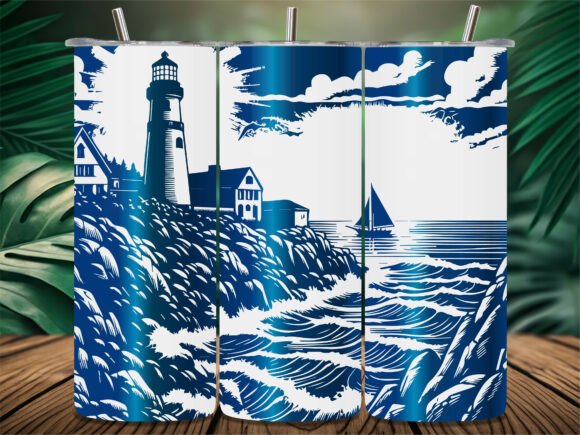
The moment I pulled up the preview for Ocean Sailboat Lighthouse Tumbler, the coastal vibe was immediate. There is a specific mood that lighthouse and sailboat imagery evokes—it speaks of relaxation, summer weekends, and timeless maritime tradition. For a designer, the layout feels balanced. The interplay between the structural solidity of the lighthouse and the fluid motion of the sailboat creates a nice dynamic tension. In the realm of Graphics and Crafts, this kind of thematic consistency is gold. It isn't just a random collection of icons; it tells a story.
However, translating a "full-wrap" laser concept into embroidery requires a shift in thinking. Laser engraving relies on contrast and surface texture, whereas embroidery relies on stitch direction, density, and thread sheen. My initial assessment is that this design has strong potential for custom apparel and home decor, provided the digitizing respects the limitations of thread. The visual personality suggests a design that would thrive on canvas totes, heavy cotton sweatshirts, or even structured caps, rather than delicate silks or stretchy performance wear.
Real-World Application: From Screen to Stitch
To truly test the viability of Ocean Sailboat Lighthouse Tumbler, I imagined a specific scenario: a small boutique owner preparing for a summer craft fair. She needs a signature item that screams "coastal living" without looking like generic tourist merchandise. She decides on a line of heavyweight canvas tote bag designs and terrycloth kitchen towels. This is where the rubber meets the road.
If you are planning to use this as a sweatshirt embroidery piece, the design's scale matters. A large back placement on a hoodie could look magnificent, allowing the details of the lighthouse beam and the sail rigging to breathe. Conversely, if you are aiming for a left-chest logo on a polo, you need to be incredibly careful. Tiny details that render perfectly in a digital embroidery file can vanish or become muddy when stitched out at two inches wide. For baby embroidery projects, like a nursery blanket or a onesie, the softness of the stitch types becomes critical. You do not want a dense, scratchy patch on a newborn's skin.
For Etsy sellers and creative entrepreneurs, the versatility of this design is a major selling point. It fits seamlessly into niches ranging from wedding gifts for couples with a beach house to holiday embroidery for Father's Day. The key is customization. Adding a monogram or a date beneath the lighthouse could elevate this from a standard graphic to a cherished personalized gift. The design acts as a strong anchor (pun intended) for brand consistency if you are building a shop around nautical themes.
Navigating Technical Challenges
No design is without its hurdles, and Ocean Sailboat Lighthouse Tumbler is no exception. When working with intricate scenes involving buildings and water, stitch density is the first thing I check. If the water elements are rendered with too many satin stitches or overly dense fill stitches, the fabric will pucker, especially on lighter materials. Textured fabrics like waffle knit or coarse linen can also hide fine details, so this design might perform better on smooth, tightly woven cottons or poly-blends.
Curved surfaces present another challenge. If you attempt to place this on a cap, the curvature of the front panel can distort the straight lines of the lighthouse. What looks vertical on your screen might lean diagonally on the hat. Furthermore, dark fabrics require careful consideration of thread colors. A navy blue background might swallow up the darker shades of the lighthouse unless there is sufficient underlay or a lighter outline to define the edges. Always test your design in black and white mockups first to ensure the contrast holds up without relying on color alone.
For those considering this for an embroidered patch, remember that dense borders and cut-out details require precise trimming and potentially a merrowed edge to prevent fraying. If the original file was intended for laser wrapping, verify that the stitch types—whether running stitch, satin stitch, or fill stitch—are appropriate for the thickness of twill or felt backing used in patch making.
Enhancing Product Value and Customer Trust
In the handmade market, presentation is everything. A well-executed version of Ocean Sailboat Lighthouse Tumbler signals professionalism. When a customer sees clean stitch lines, proper registration, and no visible backing peeking through, their trust in your craft business skyrockets. This design, when done right, adds perceived value to a simple t-shirt or towel, allowing you to command a higher price point.
It also aids in buyer engagement. Nautical themes are evergreen; they don't necessarily go out of style. Having a reliable, high-quality asset like this in your library means you can quickly turn around orders for last-minute gifts or seasonal promotions. For digital product sellers, offering this as part of a bundle with matching printable mockup files can be a smart way to increase average order value. However, always ensure you are clear about licensing. Just because a file is available doesn't mean it is free for commercial resale as a digital asset. Check the terms before listing finished items or the file itself.
Practical Notes for the Studio
Before you commit to a production run, here are my non-negotiable steps for evaluating a design like this:
- Test on scrap fabric: Never skip this. Use the exact same material and stabilizer combination you plan to use for the final product.
- Check hoop size: Ensure the design fits within your machine's maximum area without needing excessive re-hooping, which can lead to alignment issues.
- Inspect small details: Zoom in on the digitized file. Are the tiny waves in the water actually stitchable, or will they cause thread breaks?
- Review stabilizer needs: Complex designs often require cut-away stabilizer for longevity, especially on garments that will be washed frequently.
- Verify licensing: Confirm whether the license allows for unlimited physical sales or if there are restrictions on the number of finished products.
Ultimately, Ocean Sailboat Lighthouse Tumbler offers a charming aesthetic that, with the right technical execution, can become a staple in your portfolio. It bridges the gap between digital precision and tactile artistry. Whether you are decorating a kitchen towel, creating a boutique line of small shop products, or making a one-off holiday embroidery gift, the success lies in the preparation. Respect the thread, understand your fabric, and let the design shine through your craftsmanship.