Sasquatch Forest Trees Tumbler: A Designer's Review
As a designer who spends more time staring at stitch maps than most people spend looking at their phones, I approach every new machine embroidery design with a healthy dose of skepticism. We have all been there: you download a file that looks crisp on the screen, only to find it turns into a puckered mess of thread breaks and registration issues once it hits the fabric. That is why I took a close look at the Sasquatch Forest Trees Tumbler before committing it to any client work or personal projects. While the product description markets this as an engraving laser wrap for Stanley-style tumblers, my job is to translate that visual concept into the tactile world of thread and needle.
First Impressions: Mood and Visual Personality
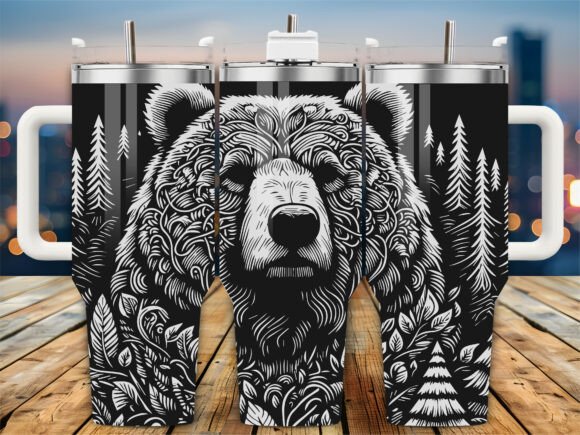
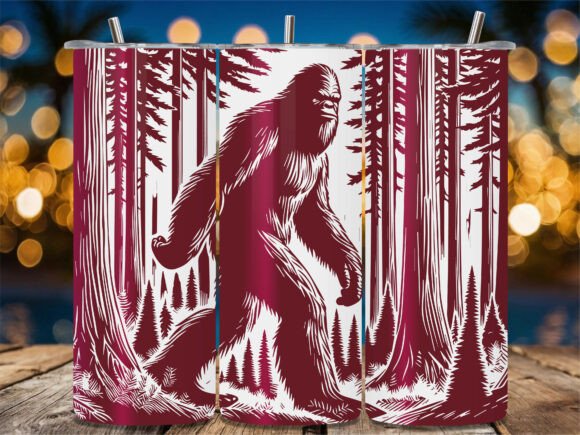
The first thing that strikes me about the Sasquatch Forest Trees Tumbler graphic is its atmospheric quality. Even as a digital asset in the Crafts and Graphics category, the layout suggests a narrative. It isn't just a random collection of pine trees; it evokes a specific mood of Pacific Northwest mystery and outdoor adventure. For an embroidery project, this thematic strength is crucial. When you are creating a handmade product, the design needs to tell a story that resonates with the buyer immediately.
The silhouette-heavy nature of the forest theme translates exceptionally well to embroidery. In my experience, designs that rely on strong shapes rather than tiny, intricate details tend to hold up better over time. The "Sasquatch" element adds a playful, cryptid-hunting vibe that feels very current in the boutique market. If you are an Etsy seller looking to tap into the "van life" or "outdoor enthusiast" niche, this visual personality is gold. It feels rugged yet whimsical, making it versatile enough for a men's flannel shirt or a cute nursery pillow cover.
Real-World Application: From Screen to Stitch
Let's talk about where this design actually shines in a real-life scenario. I recently envisioned using this motif for a custom sweatshirt embroidery project for a local hiking group. The full-wrap nature of the original laser file suggests a panoramic view, which is fantastic for large hoops. Imagine this stitched across the chest of a heavy-weight hoodie or even as a large back patch on a denim jacket. The density of the trees provides excellent coverage, meaning you won't have to worry about the base fabric showing through if you choose your thread colors wisely.
However, we need to address the elephant—or rather, the Sasquatch—in the room. The source material is described as a laser tumbler wrap. This means the original lines are likely vector-based and intended for burning, not stitching. Before you load this into your machine, you must ensure you have a proper embroidery file version. If you are digitizing this yourself from the graphic, pay close attention to the stitch density. Laser engraving can handle infinite detail; embroidery cannot. You will need to simplify the tree textures into manageable fill stitch areas and use satin stitch for any defining outlines to prevent bird-nesting.
For a tote bag design, this graphic would be stunning. Canvas bags provide a stable surface that can handle the weight of the stitching without excessive distortion. I could see this working beautifully as a personalized gift for a teacher who loves camping or a coffee lover who wants that "forest vibes" aesthetic on their daily carry-all. The key here is scaling. Ensure the Sasquatch figure remains recognizable and doesn't get lost in the foliage when resized for smaller items like a baby embroidery project on a onesie.
Technical Considerations and Fabric Choices
Every experienced decorator knows that the fabric makes or breaks the finished product. With a design as detailed as a forest scene, fabric texture is paramount. Avoid highly textured fabrics like thick waffle knits or loose-weave linens for this specific pattern. The fine details of the tree branches and the Sasquatch silhouette require a smooth surface to maintain clarity. A standard cotton-poly blend or a tight-weave canvas is your best bet.
If you are attempting this on a curved surface like a cap, proceed with caution. The panoramic width of a "full wrap" style design is often too wide for a standard cap hoop without significant distortion. You might need to isolate just the central Sasquatch figure or a cluster of trees for headwear. Additionally, dark fabrics can be tricky. If the original graphic relies on light-on-dark contrast (like a laser burn), you will need to use high-sheen rayon or polyester threads to mimic that brightness against a black or navy background. Always test your thread color contrast on a scrap piece of the actual garment first.
Stabilizer choice is non-negotiable here. Because forest scenes often involve large areas of fill, the pull of the thread can cause the fabric to pucker. I strongly recommend using a cut-away stabilizer for apparel that will be washed frequently, such as custom apparel or holiday embroidery gifts. For items like wall hangings or pillow covers that see less wear, a heavy tear-away might suffice, but do not skimp on the hooping tension. The goal is to keep the fabric drum-tight to preserve the sharp edges of the trees.
Designer Notes for Commercial Success
If you are running a craft business and plan to sell items featuring the Sasquatch Forest Trees Tumbler motif, there are a few housekeeping items to check. First, verify the licensing terms. Just because a file is available for purchase does not automatically grant commercial embroidery rights. Ensure you are cleared to sell physical goods or digital derivatives. Second, consider your mockups. Since this originates as a laser graphic, create printable mockups that show how the design looks stitched, not engraved. Customers need to see the texture of the thread to understand the value of your small shop product.
Finally, think about the end user's experience. Will this design survive fifty washes? Are the small details in the Sasquatch's fur going to fray? These are the questions that build customer trust. By testing the design on scrap fabric, checking the stitch count, and perhaps simplifying complex corners, you elevate a simple graphic into a professional-grade design asset. Whether you are making an embroidered patch for a scout troop or a limited run of boutique aprons, the quality of your execution determines your reputation.
In conclusion, the Sasquatch Forest Trees Tumbler concept offers a rich, thematic foundation for some truly creative embroidery projects. It bridges the gap between modern laser aesthetics and traditional needlework beautifully, provided you respect the limitations of the medium. With the right fabric, proper stabilization, and a keen eye for detail, this design can become a standout piece in your portfolio, delighting customers who appreciate both the mystery of the woods and the craft of handmade goods.