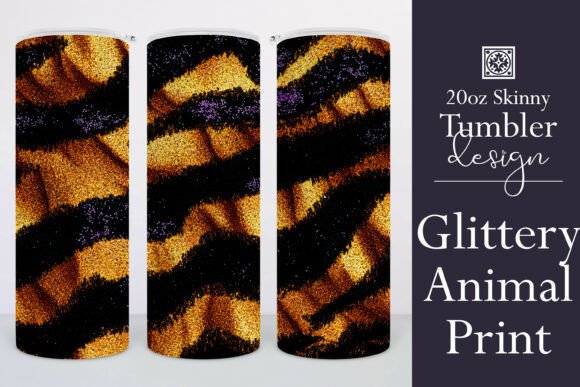
Zebra Stripes Sublimation Tumbler Design: A Designer's Review
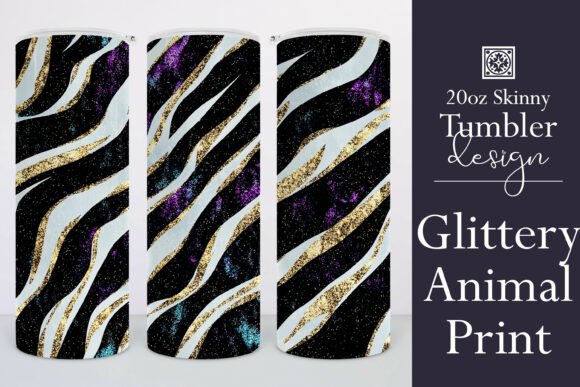
As a designer who spends more time staring at stitch maps than most people spend on their phones, I approach every new digital embroidery file with a mix of excitement and skepticism. We have all been there: you buy a design based on a glossy thumbnail, only to find out later that the stitch density is so high it turns your fabric into cardboard, or the details are too fine for anything but a poster. Today, I am looking closely at the Zebra Stripes Sublimation Tumbler Design. While the product listing categorizes this under Tumbler Wraps and Graphics intended for sublimation on 20oz tumblers, my eye immediately goes to its potential as a machine embroidery design source or a hybrid element in a larger embroidery project.
The first impression of this graphic is bold. The zebra stripe motif carries a specific mood—it is wild, energetic, and undeniably trendy. In the world of custom apparel and handmade products, animal prints cycle in and out of fashion, but the classic black-and-white zebra pattern tends to have staying power. The layout appears clean, with high contrast that suggests it would translate well into thread, provided the conversion from a 300dpi PNG to stitches is handled with care. For those of us running small shops or Etsy listings, visual personality is everything. This design screams "boutique" without trying too hard, making it a strong candidate for branding consistent, high-value items.
Real-World Application: Beyond the Tumbler
Let's move away from the theoretical and talk about a real scenario. Imagine a client comes to your craft business asking for a coordinated set: a sublimated tumbler and a matching tote bag for a teacher appreciation gift. You have the Zebra Stripes Sublimation Tumbler Design ready for the cup. Now, how do you adapt that same visual energy for the bag? This is where the graphic shines as a reference or a base for an applique design. By using the stripes as a guide, you could create a stunning tote bag design using black satin stitches on a white canvas, or perhaps a reverse applique on a denim background.
I can easily see this working on a sweatshirt embroidery project for a boutique clothing line. The organic flow of the stripes breaks up the solid color of a hoodie beautifully. If you are selling small shop products, consistency is key. Using this graphic across different mediums—sublimation for hard goods and embroidery for soft goods—creates a cohesive brand identity that customers trust. It elevates a simple personalized gift into a curated collection. Whether it is a holiday embroidery piece for a stocking or a year-round accessory, the versatility here is significant.
Navigating Fabric and Stitch Challenges
However, we must be realistic about the technical hurdles. Translating a high-resolution PNG meant for printing into a stitched format requires scrutiny. If you decide to digitize this yourself or use it as a template, pay close attention to stitch density. Zebra stripes involve a lot of alternating dark and light areas. If you fill these entirely with fill stitch, you risk creating a heavy, stiff patch that lacks drape. This is crucial for baby embroidery or lightweight custom apparel where comfort is paramount.
There are specific situations where you need to proceed with caution. On textured fabrics like terrycloth towels or fuzzy fleece, fine details can get lost. If you attempt this on a curved surface like a cap, the distortion could warp the stripes, making them look uneven. Furthermore, on stretchy fabrics, a dense block of stitching can cause puckering. My advice? Consider using a running stitch outline or a lighter fill to maintain the visual impact without compromising the fabric texture. For dark fabrics, remember that you cannot simply stitch white thread over black material; you would need an applique backing or a careful underlay strategy to ensure the whites pop.
Enhancing Visual Appeal and Brand Value
The true value of a design asset lies in how it affects the perceived quality of the finished product. A crisp, well-executed zebra pattern signals professionalism. It tells the buyer that thought went into the creation. For Etsy sellers and creative entrepreneurs, this kind of visual clarity drives engagement. When a customer sees a mockup or a photo of the actual item, the high contrast of the zebra stripes draws the eye immediately. It works exceptionally well for printable mockups used in online listings because the graphic nature of the design renders clearly even in smaller thumbnail images.
This design also supports brand consistency. If your shop specializes in modern, monochrome aesthetics, integrating this pattern into your design assets reinforces your niche. It builds recognition. Customers begin to associate that specific bold style with your brand. Whether it is an embroidered patch on a jacket or a print on a kitchen towel, the reliability of the pattern helps establish trust. People buy from makers who seem to know exactly what they are doing, and choosing a strong, timeless graphic like this demonstrates good taste and market awareness.
Practical Notes for the Professional Maker
Before you commit this design to a client's expensive garment or a batch of inventory, there are practical steps you must take. First, since the original file is a PNG intended for sublimation, do not assume it is ready-to-stitch. You will likely need to digitize it or verify the specifications if a stitched version is provided separately. Always test the design on scrap fabric first. Check the thread colors; pure black and white can sometimes look harsh, so consider testing with charcoal or off-white threads to soften the look depending on the vibe you want.
Confirm your hoop size limitations. While the original is for a 20oz tumbler wrap, scaling it down for a baby onesie or up for a pillow cover changes the stitch dynamics. Inspect small details closely; sharp corners in zebra patterns can sometimes cause thread breaks if the digitizing isn't smooth. If you are working on layered garments, ensure your stabilizer choice matches the weight of the fabric. A cut-away stabilizer might be necessary for items that will undergo frequent washing, like kitchen towels or active wear.
Finally, always check the licensing terms. The description mentions you can sell finished items, but does that extend to using the graphic as a base for new embroidery files? Clarify this before selling commercial embroidery projects or digital derivatives. Understanding the boundaries of the license protects your business and ensures you can confidently market your handmade product without legal worries. By treating the Zebra Stripes Sublimation Tumbler Design not just as a picture, but as a flexible component of your creative toolkit, you unlock its full potential for diverse, profitable projects.