Tiger Stripes Glitter Tumbler Wrap 3: A Designer's Review
As a designer who spends more time staring at stitch maps than most people care to admit, I approach every new digital embroidery file with a mix of excitement and skepticism. When I first pulled up the preview for Tiger Stripes Glitter Tumbler Wrap 3, my initial reaction was one of intrigue regarding its bold aesthetic. While the product description markets this specifically as a graphic for sublimating onto 20oz tumblers, my mind immediately went to the challenge of translating that high-resolution, glitter-effect visual into a tangible machine embroidery design. There is a distinct gap between a 300dpi PNG intended for heat transfer and a file ready for the hoop, and bridging that gap requires a keen eye for detail.
Visual Impact and Design Personality
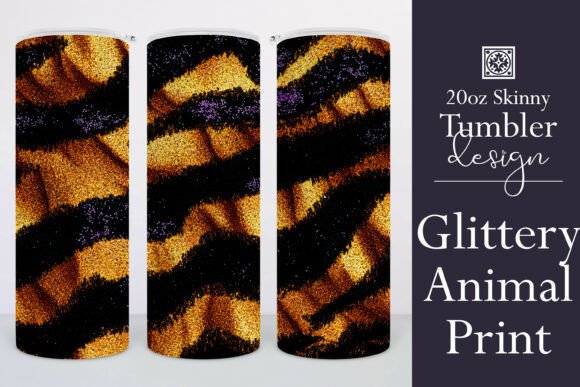
The first thing that strikes you about Tiger Stripes Glitter Tumbler Wrap 3 is its aggressive confidence. This isn't a subtle, background pattern; it is a statement piece. The layout mimics the organic, chaotic flow of animal print but introduces a "glitter" element that suggests texture and depth. In the world of Graphics and Tumbler Wraps, this kind of visual noise is popular because it catches the eye on social media feeds. However, for an embroiderer, this complexity presents both an opportunity and a hurdle. The mood is wild, modern, and slightly edgy, making it a perfect candidate for boutique branding where standing out is the primary goal.
If we were to adapt this concept for stitching, the "glitter" aspect would need to be interpreted carefully. In embroidery, we don't have actual sparkles unless we use metallic threads or specialized foils. Therefore, the success of this design in a stitched format relies heavily on thread colors and stitch density. A skilled digitizer would need to use varying angles of satin stitch or dense fill stitch areas to mimic the shimmer described in the title. The shape and theme naturally belong on items that can handle a bit of flair—think custom apparel for a night out, a statement tote bag, or a decorative pillow cover that adds punch to a neutral room.
Real-World Application Scenarios
Let's move beyond theory and talk about a real-life scenario. Imagine a client comes to your small shop asking for a coordinated set of gifts for a bachelorette party or a birthday bash. They want something cohesive but not boring. This is where Tiger Stripes Glitter Tumbler Wrap 3 shines as a conceptual anchor. While the original file is a PNG for sublimation, using it as inspiration for a matching embroidered patch or direct-to-garment embroidery creates a high-value package.
I can envision this design translated onto a black canvas tote bag design. The contrast of gold or bronze thread against dark fabric would replicate the "glitter" effect beautifully. Alternatively, consider sweatshirt embroidery. Placing a simplified version of these stripes on the sleeve or across the chest of an oversized hoodie creates a trendy, streetwear vibe that appeals to younger demographics. For baby embroidery, one might soften the palette to pastels while keeping the stripe motif, creating a unique nursery decor item like a blanket or wall hanging. The versatility lies in the pattern itself; it is recognizable enough to work even when scaled down or recolored.
For Etsy sellers and creative entrepreneurs, the value of such a design extends to the finished product's perceived worth. A plain tumbler is common; a tumbler paired with a matching embroidered apron or kitchen towel featuring the same tiger stripe motif feels like a curated collection. This increases customer trust and encourages larger basket sizes. Whether you are creating holiday embroidery gifts or stocking inventory for a craft fair, the strong visual identity of this graphic helps your brand remain consistent and memorable.
Technical Considerations and Fabric Challenges
However, we must address the technical realities before rushing to the machine. Translating a complex graphic like Tiger Stripes Glitter Tumbler Wrap 3 into stitches requires caution. If you are working with textured fabrics, such as a waffle weave towel or a thick fleece, the fine details of the stripes could get lost. The fabric texture interacts with the thread, and if the stitch density is too high on a stretchy material, you risk puckering or distorting the garment.
Small hoop sizes present another challenge. The intricate nature of animal prints often relies on continuous flow. If forced into a 4x4 hoop, the design might feel chopped up or cramped, losing its organic feel. Furthermore, curved surfaces like caps require careful digitizing to ensure the stripes don't warp awkwardly over the seam. If the design includes tiny lettering integrated into the stripes (common in wrap designs), those elements might need to be removed or enlarged significantly for embroidery, as running stitch text under a certain size becomes illegible after washing.
Dark fabrics are ideal for this theme, but they demand high-quality thread with good sheen to achieve the desired pop. On light fabrics, the "glitter" effect might fall flat without the addition of metallic blends or sequin waste, which adds complexity to the production process. Always test the design on scrap fabric first. Check how the stabilizer holds up, especially if you are aiming for a crisp edge on the stripes. A poor choice of stabilizer on a dense design can lead to a stiff, board-like hand feel that customers will dislike.
Maximizing Value and Professionalism
The ultimate goal of using a design like Tiger Stripes Glitter Tumbler Wrap 3 is to elevate your handmade product. Visual appeal drives sales, but stitching clarity drives repeat business. If the threads bleed, the density causes holes, or the design fades after one wash, your reputation takes a hit. Conversely, a well-executed version of this design signals professionalism. It shows that you understand how to take a digital asset and transform it into a durable, tactile finished product.
For those looking to expand their design assets, this graphic serves as an excellent reference for creating complementary items. You might offer the sublimated tumbler alongside an embroidered keychain or hat. This cross-category approach maximizes the utility of the artwork. Just remember to verify licensing terms. Since the source file is a PNG intended for sublimation, you cannot simply load it into your embroidery machine. You would need to commission a custom digitization or use it as a trace reference, ensuring you have the rights to create derivative works for commercial embroidery projects.
Final Designer Notes
Before committing to a full production run, here are a few practical steps to ensure success. First, review the image in black and white mockups to check the contrast levels; if the stripes blend together in grayscale, they will likely lack definition when stitched. Second, confirm the appropriate hoop size to maintain the integrity of the pattern's flow. Third, experiment with different thread brands to see which offers the best luster for mimicking the glitter effect. Finally, always compare the design on both light and dark backgrounds to ensure versatility.
Tiger Stripes Glitter Tumbler Wrap 3 is a potent visual tool. While born as a sublimation graphic, its bold character makes it a worthy subject for embroidery adaptation. With careful planning regarding fabric choice, stitch types, and stabilization, it can become a standout feature in your portfolio of custom apparel and personalized gifts. Whether you are decorating a single item for a friend or scaling up for a small shop product line, treating this design with the respect it deserves will yield impressive results.