Best Dad Tools Mechanic Tumbler Wrap Review
As a designer who spends most of my day staring at screens and managing stitch counts, I approach new design assets with a healthy dose of skepticism. We have all been there: you buy a file that looks crisp in the preview, only to find out it falls apart once you try to adapt it for a different medium or scale it for a specific project. Today, I am taking a close look at the Best Dad Tools Mechanic Tumbler Wrap. While the product listing explicitly markets this as a graphic for sublimation on 20oz skinny tumblers, my interest lies in its potential versatility for the embroidery world. Can a high-resolution PNG intended for printing translate into a successful machine embroidery design or a valuable component for a mixed-media handmade product? Let's dig into the practical reality of using this file in a real shop environment.
First Impressions and Visual Personality
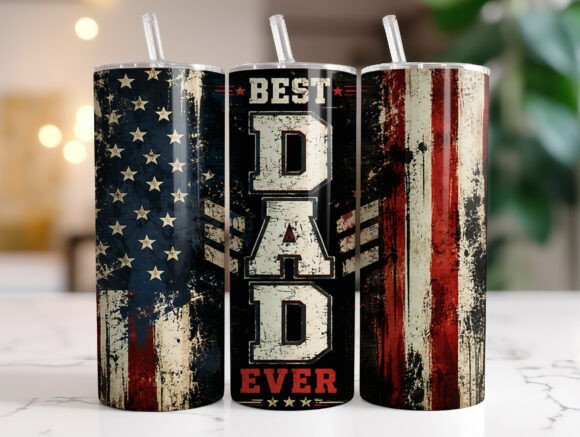
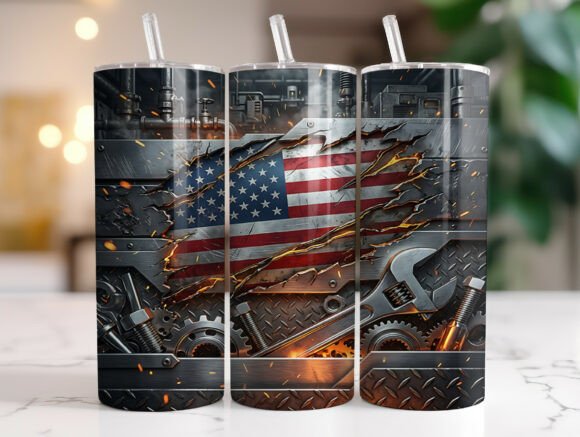
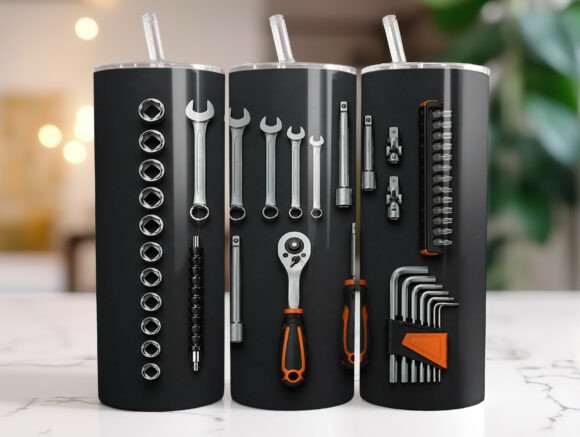
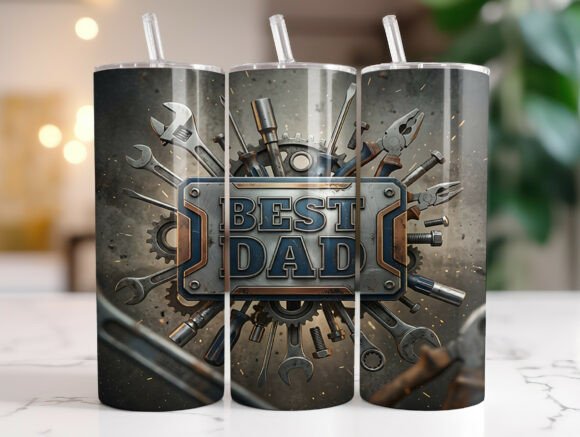
Upon downloading the file, the first thing that strikes me is the resolution. The listing promises a high-resolution PNG at 300 DPI, sized at 9.3″ x 8.2″. For a digital file meant for printing, this is solid. Visually, the theme hits a very specific, popular niche: the "tool-wielding dad." It creates an immediate mood of rugged utility and affectionate humor. The layout is generally clean, which is crucial. In embroidery, clutter is the enemy. When I visualize this design translated into thread, the distinct shapes of the tools suggest a great opportunity for varied stitch types. You could easily interpret the metal parts of the tools with a sleek satin stitch to mimic shine, while using a textured fill stitch for handles to add depth and tactile interest.
The visual personality here is bold and masculine, making it an instant candidate for Father's Day collections, birthday gifts for the handyman in your life, or even branding for a local auto repair shop looking for custom merchandise. However, because this is technically a Tumbler Wrap and falls under the category of Graphics, it is not a pre-digitized embroidery file. This is a critical distinction for any Etsy seller or craft business owner. You are buying the artwork, not the stitch instructions. This gives you creative freedom but requires technical skill to execute properly.
Real-World Application: The Custom Apron Project
To truly test the viability of this design, I imagined a specific real-life scenario: creating a personalized gift for a client whose father is a master mechanic. The goal was a heavy-duty canvas apron, something he could wear in the shop but also feel proud to show off. Using the Best Dad Tools Mechanic Tumbler Wrap as the base artwork, I traced the vector paths to create a custom digitization.
The process revealed why starting with a high-quality graphic matters. Because the source image was sharp and well-defined at 300 DPI, tracing the outlines for the running stitch borders was straightforward. There were no fuzzy edges to guess at. If I were to use this for a tote bag design or a sweatshirt embroidery project, the clarity of the original graphic ensures that the final stitched product looks professional rather than amateurish. The customer reaction to such a project is usually overwhelmingly positive because it feels bespoke. They aren't just getting a generic "Best Dad" text; they are getting a curated visual story that matches their specific trade or hobby.
This approach works exceptionally well for commercial embroidery projects where brand consistency is key. If you are running a small shop product line, having a master graphic like this allows you to maintain a consistent look across different items, from patches to pillow covers, even if the stitching technique varies slightly for each fabric type.
Navigating Fabric Textures and Stitch Density
One of the biggest challenges when adapting a print-ready graphic to thread is managing stitch density. The original design might have subtle gradients or fine lines that look great on a smooth tumbler but can cause registration issues on fabric. When working with textured fabrics like Terry cloth towels or thick fleece for a holiday embroidery project, you must be careful. Dense areas in the tool illustrations could lead to puckering if not properly compensated for during digitizing.
I strongly advise testing the design on scrap fabric first. This is non-negotiable. Before committing to a expensive custom apparel piece or a delicate baby embroidery item, run a sample. Check how the thread colors contrast against the fabric background. A design that pops on a white tumbler might get lost on a navy blue sweatshirt unless you adjust the outline thickness or add a backing layer. Speaking of backing, the choice of stabilizer is paramount. For a design with this much detail, a cut-away stabilizer is often safer than tear-away, especially if the finished product will undergo frequent washing.
Be wary of small hoop sizes. The original dimensions are roughly 9 inches wide. If you are attempting to put this on a cap or a small pocket, you will need to scale it down significantly. Reducing the size too much can turn intricate tool details into a muddy mess of thread. Tiny lettering and detailed corners are the first things to suffer when scaling down. Always inspect small details closely in your digitizing software before sending the file to the machine.
Maximizing Value and Professionalism
Using a high-quality graphic like the Best Dad Tools Mechanic Tumbler Wrap elevates the perceived value of your work. Customers can tell the difference between a pixelated, stretched image and a crisp, well-executed design. This attention to detail builds customer trust and enhances your reputation as a serious maker. Whether you are selling printable mockups to other designers or selling the physical embroidered patch itself, the quality of the source art dictates the ceiling of your product's quality.
For those looking to expand their catalog, this design fits naturally into several niches. It is perfect for wedding gifts for the groom who loves DIY, nursery decor for a daddy-and-me theme, or even boutique branding for a hardware-themed cafe. The versatility lies in your ability to reinterpret the graphic. You could turn it into an applique design by using felt or leather scraps for the tool handles, adding a whole new dimension to the piece that pure printing cannot achieve.
Final Verdict for Designers and Makers
The Best Dad Tools Mechanic Tumbler Wrap is a robust starting point for creative entrepreneurs. It is important to remember that since this is a PNG graphic and not a native embroidery file format like PES or DST, you are responsible for the digitization process. This means you need to verify license terms regarding commercial use if you plan to sell the stitched items. The listing notes it is an instant download with no physical product shipped, so ensure you have the right software to manipulate the PNG into a stitch file.
In summary, if you are an experienced designer willing to put in the digitizing work, this asset offers excellent potential. It saves you the time of drawing the artwork from scratch and provides a clean, high-resolution foundation. Just remember to respect the limitations of thread and fabric. Test your thread colors, check your tension, and always consider the end-use of the item. With the right execution, this design can become a standout piece in your portfolio, proving that a good graphic is half the battle won in the world of custom creation.