Sunflower Watermelon 40oz Tumbler: A Designer's Review
As a designer who spends more time staring at stitch maps than most people stare at their phones, I approach every new digital embroidery file with a mix of curiosity and skepticism. We've all been there: you buy a design based on a glossy thumbnail, only to find out the stitch density is so high it turns your fabric into cardboard, or the details are too fine for anything but a billboard. So, when I got my hands on the Sunflower Watermelon 40oz Tumbler graphic to evaluate for potential adaptation into embroidery projects, I didn't just look at the pretty colors. I looked at how this concept would translate from a laser engraving asset into a tangible, stitched handmade product.
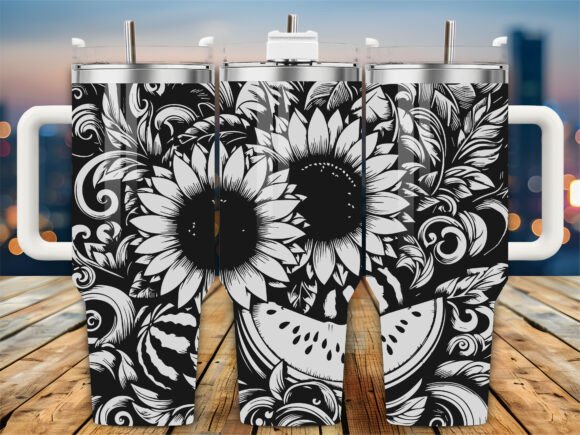
The first thing that strikes you about the Sunflower Watermelon 40oz Tumbler theme is its sheer summer energy. It's a playful collision of two warm-weather icons that feels incredibly current for boutique branding. While the original product description highlights its use for Laser Engraving on tumblers, my mind immediately went to where this aesthetic fits in the embroidery world. The layout suggests a wrap-around vibe or a large central motif, perfect for those oversized 40oz trends we see everywhere. But can it stitch out? That's the real question.
Translating Laser Graphics to Stitched Reality
Taking a design meant for Graphics and laser work and converting it mentally to an embroidery project requires a shift in perspective. Laser files rely on vector lines and burn depth; embroidery relies on thread buildup and texture. The sunflower element here is promising. In a stitched version, those petals offer a fantastic opportunity for varied fill stitch directions to create movement, while the center could utilize a dense satin or even a textured applique design approach if you want to add dimension. The watermelon slice provides a great color block contrast—bright reds and greens against a neutral background.
I envisioned testing this on a heavy cotton tote bag. The structure of a tote can handle the weight of a larger design without puckering, which is crucial for something with the visual weight of a sunflower and watermelon combo. If you were to attempt this on a thin t-shirt, you'd need to be very careful with your stabilizer choice. A cut-away stabilizer would likely be non-negotiable here to prevent the fabric from distorting under the density of the flower center and the fruit seeds.
Real-World Application Scenarios
Let's talk about where this actually sells. I recently helped a local craft fair vendor revamp her summer collection, and a design like Sunflower Watermelon 40oz Tumbler is exactly what stops customers in their tracks. Imagine this stitched onto a canvas apron for a gardening workshop or a sweatshirt for a "Summer Farm Stand" employee uniform. The vibe is rustic yet modern.
For Etsy sellers, the versatility is key. You aren't just selling a shirt; you're selling a mood. This design works beautifully for:
- Custom apparel: Think oversized tees with the design centered low on the hem for a trendy look.
- Baby embroidery: Scaled down, the sunflower alone makes a sweet onesie motif for a summer baby shower.
- Embroidered patches: This is my favorite angle. Digitizing this as a patch allows customers to iron it onto denim jackets or hats without worrying about the backing showing through.
- Holiday embroidery: Perfect for Fourth of July picnics or end-of-summer teacher gifts.
The commercial potential here is strong because it crosses demographics. It appeals to the gardening crowd, the foodie demographic, and the general "summer vibes" market. When a customer sees a well-executed version of this on a finished product, it signals professionalism. It tells them you understand current trends and have the technical skill to execute complex shapes cleanly.
Technical Considerations and Potential Pitfalls
Now, let's get into the nitty-gritty. No design is perfect for every situation, and honest review means pointing out where you need to tread carefully. If you are adapting the Sunflower Watermelon 40oz Tumbler concept for embroidery, watch out for small hoop sizes. The intricate details of the watermelon seeds and the sunflower petals might get lost or become muddy if scaled down too far for a 4x4 hoop. This design breathes best in a 5x7 or larger format.
Texture is another factor. On Terry cloth towels or fuzzy fleece sweatshirts, fine running stitch details (like the outline of the watermelon rind) might sink into the pile. In those cases, I recommend increasing the stitch width or using a slightly heavier thread weight to ensure visibility. Also, be mindful of dark fabrics. The original laser design likely assumes a light surface. If stitching on navy or black, you'll need to adjust your thread colors significantly—perhaps adding a white underlay or outline to make the red of the watermelon pop.
Curved surfaces present their own challenge. While the original file is for a cylindrical tumbler, embroidering on a curved cap requires precise hooping and potentially a different digitizing strategy to prevent distortion. If you plan to put this on a baseball cap, ensure the design is centered correctly and that the stitch count isn't so high that it causes the brim to warp.
Designer Notes for Best Results
Before you commit to a full production run or list this as a custom apparel option in your shop, follow these practical steps:
- Test on scrap fabric first: Never skip this. Use the exact fabric and stabilizer you plan to sell.
- Check thread contrast: Ensure your greens and yellows don't blend together under shop lighting.
- Review stitch density: If the center of the sunflower feels too stiff, ask your digitizer to lighten the fill pattern.
- Inspect small details: Zoom in on your machine screen. Are the seed stitches long enough to hold, or will they pull out after one wash?
- Mock it up: Create a printable mockup or use software to visualize the design on different garment colors before stitching.
It is also vital to confirm licensing terms. Since the source material mentions it is "Perfect for Small business," it implies commercial use is intended, but always double-check if you are allowed to sell the design assets themselves or only the finished product. There is a big difference between selling a stitched hoodie and selling the digital file to other makers.
Final Verdict on Visual Appeal and Value
In the world of commercial embroidery, perception is everything. A design like Sunflower Watermelon 40oz Tumbler has high visual appeal because it feels fresh and specific. It moves away from generic text-only quotes and offers a graphical statement. When executed well, with clean edges and appropriate thread choices, it elevates the perceived value of the item. Customers are willing to pay more for a unique, detailed graphic than for a simple monogram.
Ultimately, this design concept bridges the gap between digital precision and handmade charm. Whether you are creating a personalized gift for a friend who loves gardening and picnics, or stocking inventory for a small shop product line, the key lies in respecting the medium. Don't just copy the laser file; adapt it for thread. Respect the fabric, choose the right stabilizer, and let the natural texture of the embroidery enhance the sunny, juicy vibe of the artwork. If you do that, this design isn't just a file; it's a bestseller waiting to happen.