Reviewing Cute Teacher Tumbler Wrap Sublimation for Stitch Projects
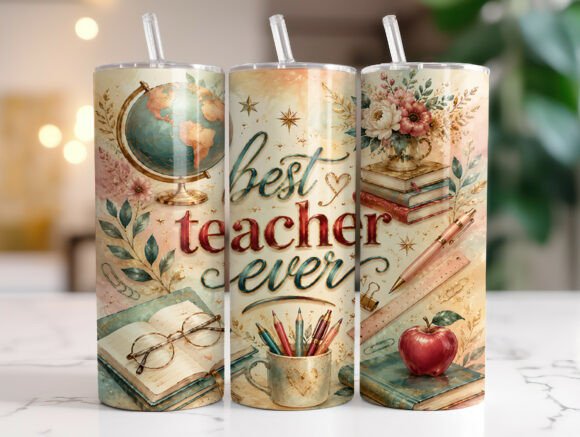
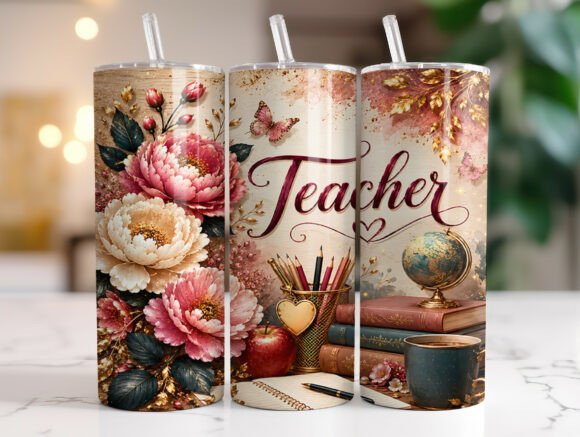
As a designer who spends more time staring at stitch maps than most people stare at their phones, I approach every new digital embroidery file with a mix of curiosity and skepticism. When I first pulled up the Cute Teacher Tumbler Wrap Sublimation graphic, my initial reaction was to pause. This is explicitly marketed as a sublimation asset—a high-resolution 300 DPI PNG intended for heat transfer onto curved surfaces. However, in the world of craft business and handmade goods, lines often blur. The question I asked myself wasn't just "Is this cute?" but rather, "Can this translate into a tangible, stitched handmade product that holds up to the scrutiny of a paying customer?"
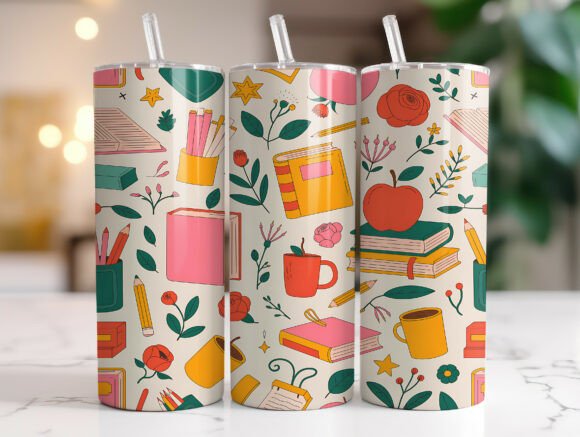
The design itself exudes a warm, appreciative mood perfect for the education sector. It carries that specific visual personality found in boutique teacher gifts: friendly, slightly whimsical, and clean. For an Etsy seller or small shop owner looking to expand beyond simple heat presses, this graphic offers a fascinating challenge. While it originates in the realm of Tumbler Wraps and Graphics, the layout suggests potential for adaptation into a machine embroidery design workflow, provided one understands the limitations of converting a raster image into thread.
Visualizing the Stitch-Out Potential
Let's talk about a real-world scenario. Imagine you are preparing a custom order for a local school's end-of-year appreciation week. A parent wants something more durable than a mug that might chip or a tumbler that requires specific coating. They want a heavy canvas tote bag design or a cozy fleece sweatshirt embroidery piece. This is where evaluating Cute Teacher Tumbler Wrap Sublimation becomes an exercise in creative problem-solving.
The graphic measures 9.3″ x 8.2″, which is a substantial footprint. In the context of embroidery, this size demands a large hoop and significant stitching time if digitized manually or auto-digitized. The visual clarity of the original PNG is high, which is a good sign. When I mentally break this down into stitch density zones, I see areas that would work beautifully as fill stitch regions—likely the larger illustrative elements—and other parts that might require delicate satin stitch borders to define the shapes against the fabric.
However, because this is a printed graphic and not a native embroidery file, you cannot simply load it into your machine. You would need to use this image as a reference trace or a base for manual digitizing. The "cuteness" of the design relies on smooth curves and likely gradients in the original print version. In thread, gradients are achieved through color blending or distinct thread changes. If you are an experienced decorator, you know that translating those soft sublimation fades into thread colors requires a strategic palette. You might need to simplify the design, focusing on the core iconography to ensure the finished product doesn't become a dense, cardboard-like patch that ruins the drape of a garment.
Material Considerations and Fabric Texture
One of the biggest hurdles when adapting a graphic meant for smooth, coated tumblers to fabric is the fabric texture. Sublimation ink sinks into polyester coatings; thread sits on top of weave. If you attempt to recreate the look of Cute Teacher Tumbler Wrap Sublimation on a textured linen tote or a fuzzy sweatshirt, the fine details may get lost.
I would advise testing this concept first on a stable, tight-weave cotton or a poly-cotton blend. These fabrics provide a flat canvas similar to the intended sublimation surface. If you are aiming for a baby embroidery project, such as a bib or a onesie, you must be incredibly careful with stabilizer selection. The weight of the thread needed to capture the detail of this 9-inch design could cause puckering on stretchy knits without a robust cut-away stabilizer. Conversely, on a sturdy apron or a pillow cover, the design would sit proudly, acting as a focal point that screams professionalism.
There is also the issue of dark fabrics. Sublimation generally requires light or white blanks unless using special transfers. Embroidery, however, thrives on contrast. If you digitize this design for a navy blue teacher's cardigan, you have the freedom to use bright, popping thread colors that might actually look more vibrant than the original printed version. This adaptability is a huge selling point for custom apparel decorators who want to offer personalized options that sublimation alone cannot achieve.
Commercial Viability and Customer Perception
From a business standpoint, how does this affect your brand? Using a recognizable, high-quality aesthetic like Cute Teacher Tumbler Wrap Sublimation as inspiration for an embroidered line can elevate your small shop product offerings. Customers perceive embroidery as higher value than printing. It implies durability, luxury, and human effort. By taking a popular digital trend and executing it in thread, you differentiate yourself from the sea of sellers offering the exact same PNG on a mug.
Think about holiday embroidery or back-to-school rushes. A teacher receiving a meticulously stitched patch featuring this design on their favorite cardigan feels a deeper emotional connection than receiving another printed cup. It shows thoughtfulness. However, you must be transparent about your process. If you are selling the digital embroidery file based on this graphic, you must ensure you have the rights to modify and redistribute the design. The original listing specifies it is a printable file for personal or commercial sublimation use, but it does not automatically grant rights to create and sell derivative embroidery files. Always check licensing terms before turning a graphic into a stitch asset for resale.
Practical Notes for the Embroiderer
If you decide to move forward with adapting this graphic for an embroidery project, here are my professional recommendations:
- Digitize with Intent: Do not rely solely on auto-digitizing software. The curves in teacher-themed graphics often need manual smoothing to prevent jagged edges in satin stitch columns.
- Test on Scraps: Before committing to a client's expensive garment, stitch the design on a scrap of the same fabric. Check for pull compensation and registration issues.
- Simplify Details: Tiny text or intricate background elements that look crisp in a 300 DPI PNG may turn into a muddy mess in thread. Consider removing non-essential details to improve stitching clarity.
- Hoop Size Reality: At nearly 9 inches wide, verify your machine's maximum hoop size. You may need to split the design or use a jumbo hoop, which requires precise alignment.
- Thread Contrast: Create a black-and-white mockup of your planned thread chart. If the values are too similar, the design will lack definition once stitched.
- Wash Testing: Ensure the stitch density isn't so high that it creates a stiff spot that cracks after frequent washing, especially for items like kitchen towels or aprons.
In conclusion, while Cute Teacher Tumbler Wrap Sublimation is technically a print asset, its strong composition and thematic appeal make it a worthy candidate for translation into the world of thread. For the creative entrepreneur willing to put in the digitizing legwork, it represents an opportunity to create unique, high-value personalized gifts that stand out in a crowded marketplace. Just remember: the magic isn't in the file format; it's in how you interpret that visual data into a tactile, lasting piece of art.