Review: The Coquette Cherry Tumbler Wrap for Embroidery
As a designer who spends more time staring at stitch maps than most people care to admit, I approach new design assets with a healthy dose of skepticism. We often see files labeled as "ready-to-use" that fall apart the moment they hit the hoop. So, when I got my hands on the Coquette Cherry Tumbler Wrap, my first instinct wasn't to rush it to production. Instead, I wanted to evaluate its potential beyond its intended sublimation use. Could this graphic translate into a viable machine embroidery design for custom apparel or boutique goods? Let's dig into the practical reality of using this asset in a real-world craft business.
First Impressions: Mood and Visual Personality
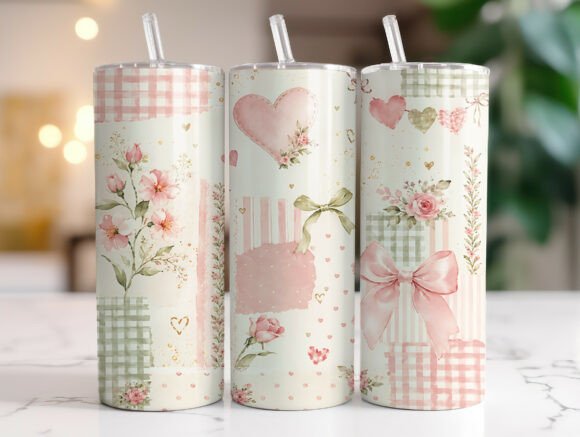
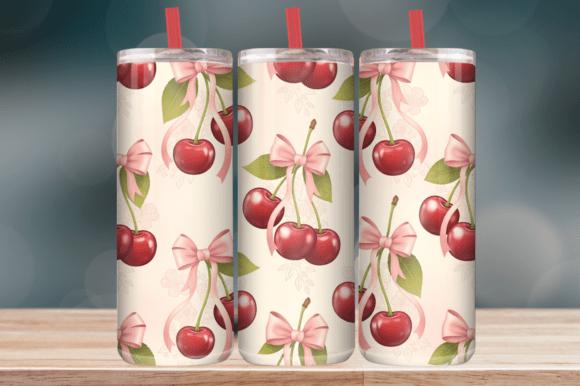
The immediate appeal of the Coquette Cherry Tumbler Wrap lies in its specific aesthetic alignment with current trends. The "coquette" style—characterized by bows, softness, and a touch of vintage romance—is dominating social media and boutique shelves right now. This graphic captures that mood perfectly. Visually, it feels playful yet sophisticated, making it an excellent candidate for personalized gifts aimed at younger demographics or anyone leaning into the "girly" aesthetic revival.
However, as an embroidery reviewer, I have to look past the pretty pixels. The file is provided as a high-resolution PNG (2790 x 2460 pixels at 300 DPI). While this is fantastic for printing, it presents a unique challenge for us stitchers. This isn't a pre-digitized embroidery file with defined satin stitches or fill patterns. It is a graphic source. To use this effectively in an embroidery project, you must either digitize it yourself or hire a professional to convert those crisp lines into stitch data. The clean lines and distinct shapes of the cherries and bows suggest it would digitize well, likely utilizing a mix of satin stitch for the outlines and fill stitch for the fruit bodies to create texture.
Real-World Application: From Screen to Stitch
Let's imagine a realistic scenario. You run a small shop selling custom tote bag designs and sweatshirt embroidery. A client requests a set of matching bags for a bachelorette party with a cherry theme. The Coquette Cherry Tumbler Wrap is the perfect visual reference. Because the original graphic is sized at roughly 9.3″ x 8.2″, it offers ample detail to work with. You could scale it down to fit a standard 5x7 hoop for a pocket detail on a hoodie or enlarge elements of it for a full-back design on a canvas tote.
In terms of finished product value, this design shines. When executed with high-quality thread, the reds of the cherries and the soft pinks of the bows can pop beautifully against neutral fabrics like cream, black, or denim. For an Etsy seller, offering a "Coquette Cherry" collection could significantly boost buyer engagement. The design feels premium; it doesn't look like a clip-art afterthought. If you were to create an embroidered patch using this motif, it would add substantial perceived value to a plain jacket or backpack, allowing you to charge a higher price point for your handmade product.
Navigating Technical Challenges
Here is where we need to be brutally honest about the limitations. Since the Coquette Cherry Tumbler Wrap is originally a sublimation graphic, you cannot simply load it into your machine. If you attempt to use it as a photo-stitch or auto-digitize it without manual tweaking, you risk a muddy finished product. Photo-stitches often lack clarity and can look pixelated when viewed up close.
If you decide to digitize this graphic, pay close attention to stitch density. The original image has smooth gradients and solid colors. In embroidery, large solid areas of color (like the body of a cherry) require careful underlay and fill settings to prevent puckering, especially on stretchy fabrics like t-shirts or baby clothes. You must also consider the hoop size. While the graphic is large, breaking it into smaller, manageable sections might be necessary for items like caps or curved surfaces where a large hoop won't fit.
Furthermore, consider the fabric texture. This design relies on clear definition. On a highly textured towel or a fuzzy fleece, fine details like the tiny stems or the edges of the bows might get lost. For baby embroidery, where softness is paramount, you would need to ensure the back of the stitching is covered with a soft backing or use a lighter density to avoid irritation against sensitive skin.
Strategic Use for Commercial Success
For those running a craft business, consistency is key. The Coquette Cherry Tumbler Wrap offers a strong branding opportunity. Imagine using this motif across a range of commercial embroidery items: aprons for a bakery, tea towels for a housewarming gift, or even pillow covers for nursery decor. The versatility of the cherry and bow theme allows it to fit into holiday seasons (Valentine's Day, summer picnics) as well as everyday boutique merchandise.
However, before listing these items, you must verify the licensing terms. Just because a file is available for purchase does not automatically grant commercial rights for physical goods, let alone for creating derivative digital files. Always confirm whether the license allows you to sell the finished product or if it restricts you to personal use only. Ignoring this step can lead to serious legal issues for your small shop product line.
Practical Designer Notes for Execution
To ensure your project succeeds, follow these practical steps before committing to a final run:
- Test on Scrap Fabric: Never skip the test stitch-out. Use the exact fabric you plan to sell to check for registration issues or puckering.
- Check Thread Contrast: The original graphic uses specific shades of red and pink. Ensure your thread chart matches these tones closely to maintain the "coquette" vibe. A mismatched red can make the cherries look bruised rather than fresh.
- Stabilizer Selection: Given the potential for dense fill areas, use a cut-away stabilizer for knit fabrics (like sweatshirts) to prevent distortion over time. For wovens like tote bags, a tear-away might suffice, but test first.
- Mockup Verification: Before digitizing, create a black-and-white mockup of the design. This helps you see if the contrast holds up without the distraction of color, ensuring the shape remains recognizable even from a distance.
- Detail Inspection: If you are scaling the design down for a hat or a small patch, simplify the details. Tiny lettering or intricate bow tails may need to be thickened or removed entirely to stitch cleanly.
In conclusion, the Coquette Cherry Tumbler Wrap is a visually striking asset that holds immense potential for the creative embroiderer willing to put in the legwork. It is not a plug-and-play solution, but rather a high-quality foundation for a custom applique design or a fully digitized motif. By respecting the technical requirements of embroidery and understanding the market appeal of the coquette trend, you can transform this graphic into a best-selling item for your portfolio. Whether you are creating a personalized gift for a friend or expanding your Etsy listings, this design offers the charm and quality needed to stand out in a crowded marketplace.